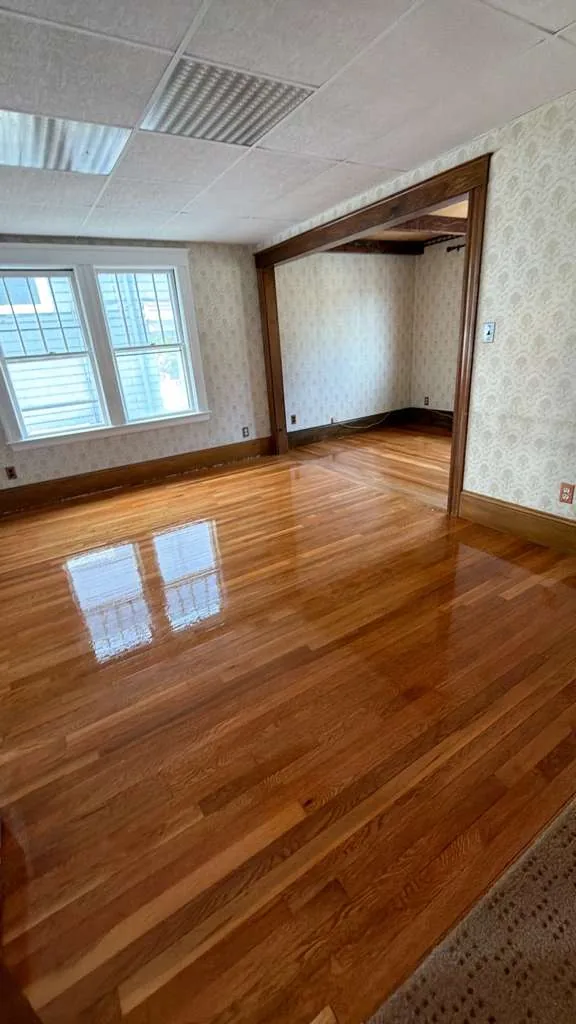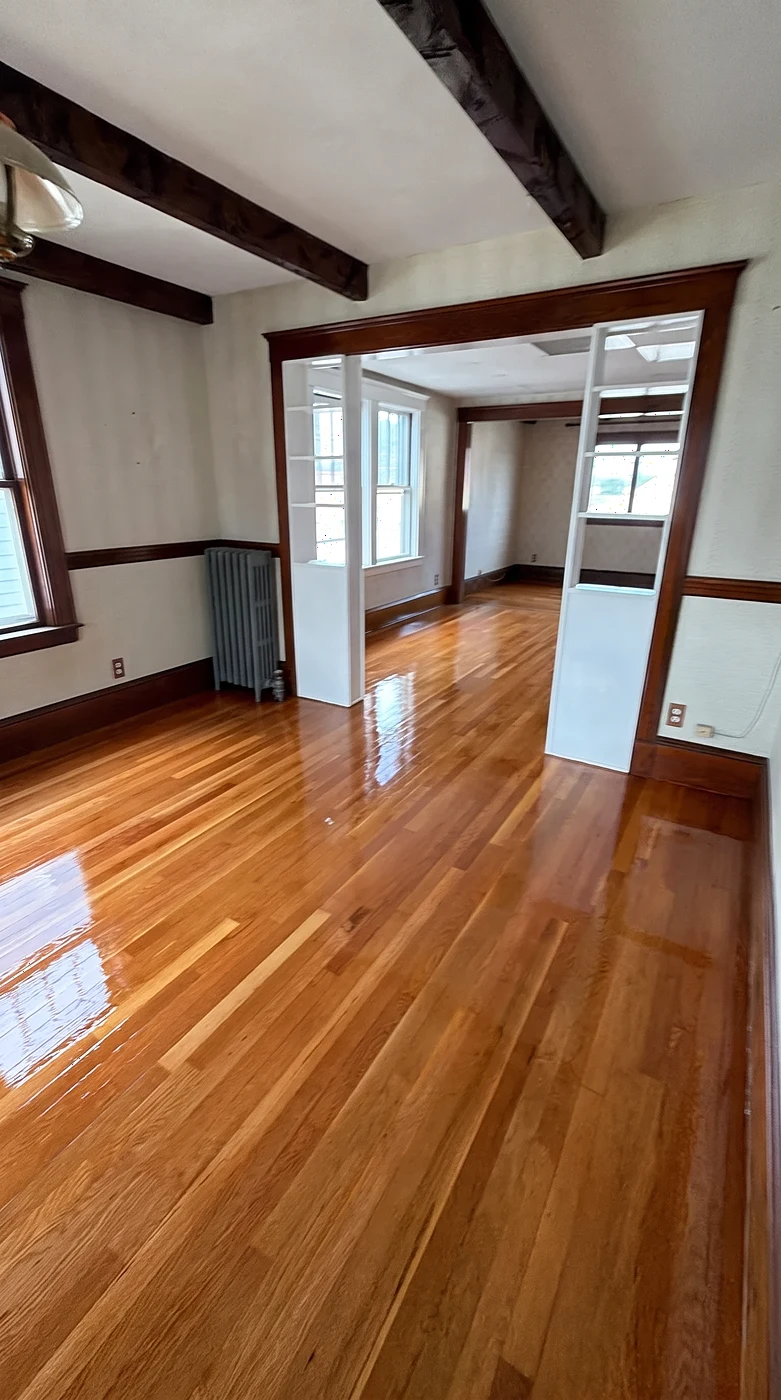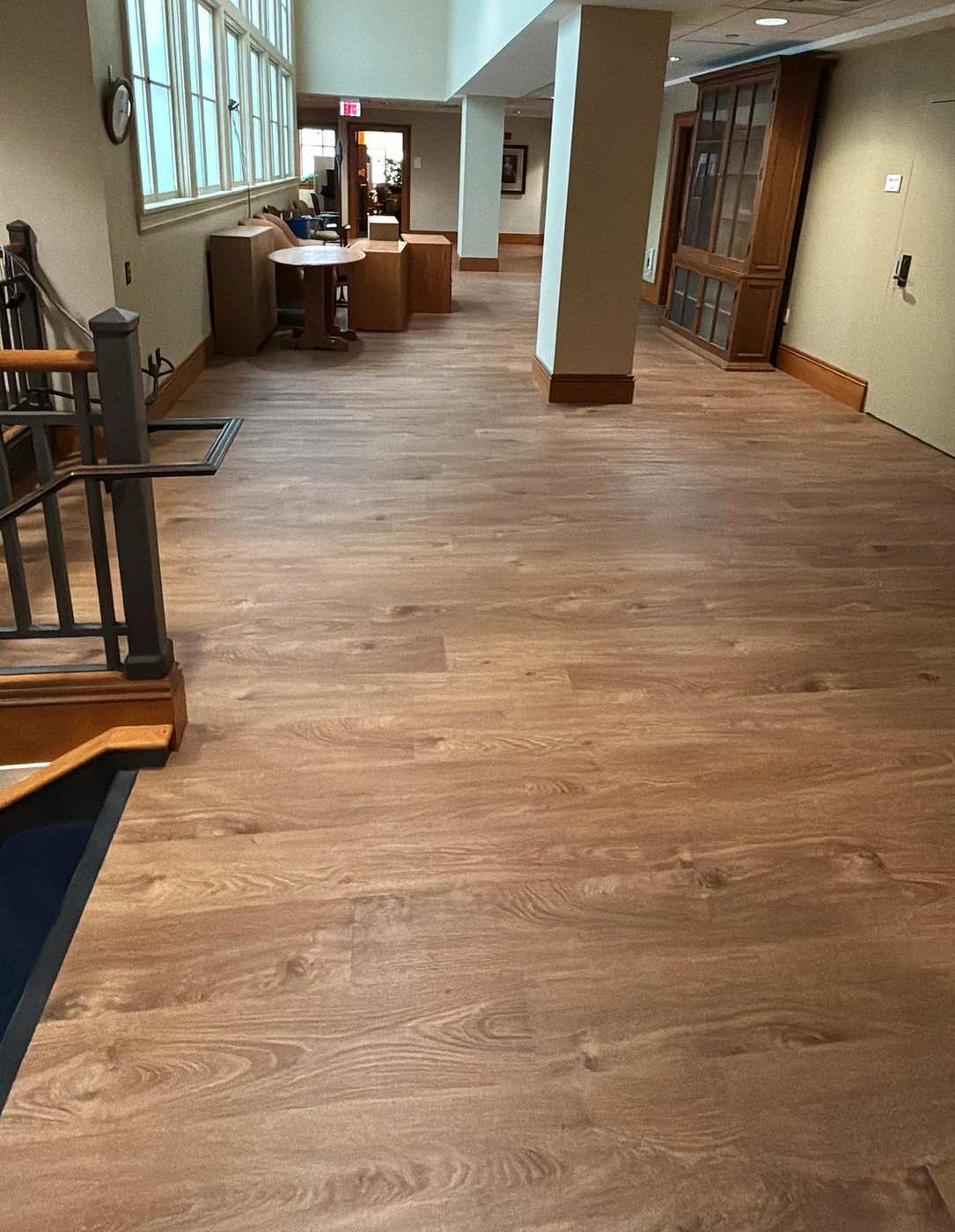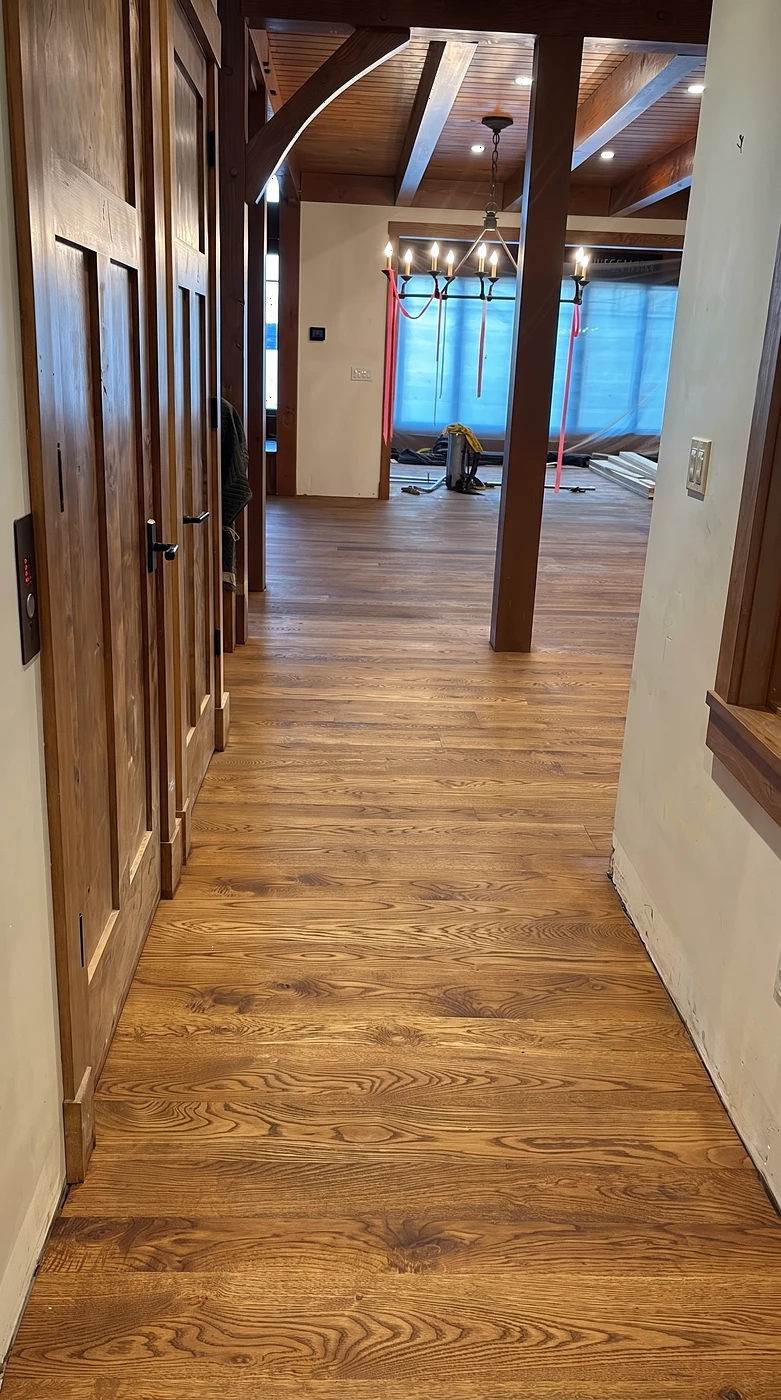
Solid hardwood and engineered wood can look identical once they're down, but they're built differently and suit different spaces. Here's what actually separates them.
Solid hardwood
A solid plank is one piece of wood all the way through. Its big advantage is that it can be sanded and refinished many times, so a solid floor can last generations. The trade-off is that it reacts to moisture and temperature, so it isn't ideal below grade or over concrete.
Engineered wood
Engineered flooring is a real-wood top layer bonded to a stable plywood core. That core resists the expansion and contraction that affects solid wood, which makes engineered a better fit for basements, condos, and homes with radiant heat, while still giving you a genuine wood surface.
Which should you choose?
- Main floors in a typical home, solid hardwood is a classic, refinishable choice.
- Basements and below-grade rooms, engineered handles the moisture far better.
- Radiant heat, engineered is usually the safer bet.
- Condos with concrete subfloors, engineered often installs cleaner.
There's no universally 'better' floor, only the right floor for the room it's going in.
Tell us about your space and we'll recommend the right product and installation method for it. Get a free estimate to get started.