Subfloor Installation Medford MA
The flat, sound, dry base every floor depends on, prepped and leveled in Medford, MA before your new floor ever goes down.
Call (978) 754-8751 Get a Free EstimateThe flat, sound, dry base every floor depends on, prepped and leveled in Medford, MA before your new floor ever goes down.
Call (978) 754-8751 Get a Free EstimateSubfloor installation and leveling in Medford MA is the step nobody sees and every good floor depends on. Whatever goes on top, hardwood, engineered, laminate, or vinyl, is only as flat, quiet, and long-lasting as the base beneath it. In Medford's older homes, subfloors are often uneven, squeaky, or damaged after a century of settling, and getting the base right is the difference between a floor that lasts decades and one that fails early.
A finished floor is only as good as what it sits on. A subfloor with dips and high spots causes flooring to flex, gap, and squeak; a damp subfloor causes cupping and failure; a loose or damaged subfloor causes movement and noise. Every one of the most common floor complaints traces back to a base that was not prepped. We fix the base first, so the floor on top performs the way it should.
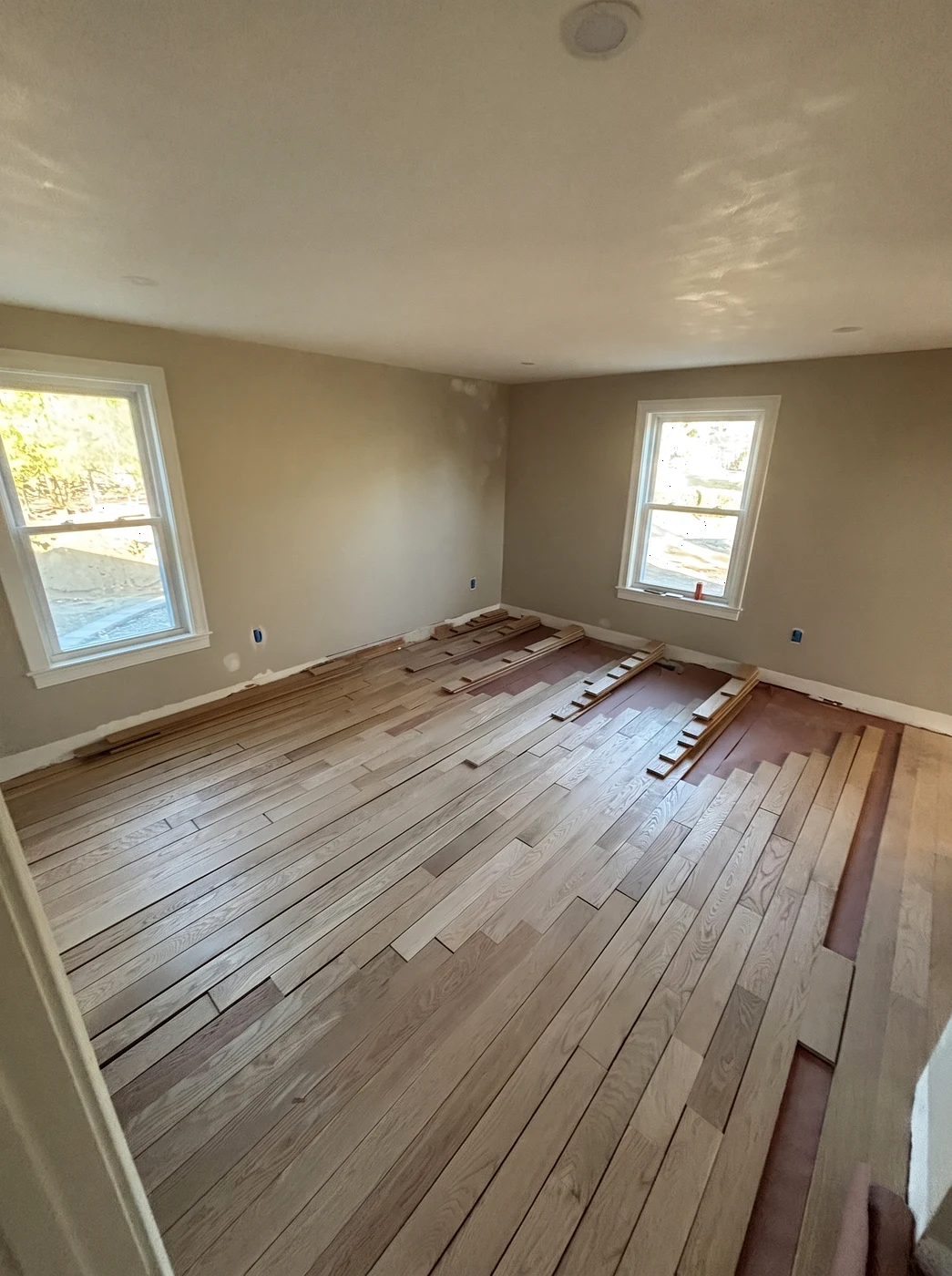
Many homes in Medford Square, Hillside, and South Medford have wood-plank or early plywood subfloors that have settled, dried, and shifted over a hundred New England winters. They are often out of level, squeaky, and sometimes water-damaged near radiators and bathrooms. We assess what is really there and level, repair, or reinforce it so a new floor has the flat, quiet, solid base these homes were not left with.
Subfloor work is priced by what the base actually needs, from minor leveling to structural repair. It is often part of a larger flooring estimate. These are typical Greater Boston ranges for planning.
| What you need | Typical range |
|---|---|
| Self-leveling compound over an uneven area | Priced by area and depth |
| Repairing or replacing damaged subfloor sections | Added per the estimate |
| Securing squeaks and loose panels | Often a flat rate per area |
| Moisture mitigation over a slab | Added per the estimate |
Ranges are for planning only. We assess the subfloor on site and put the prep in your documented estimate, so you see exactly what the base needs.
The base often announces itself before the finish floor fails. Watch for:
Subfloor work happens after the old floor comes up and before the new one goes down, and its length depends on what we find.
Self-leveling compound needs cure time before flooring can be installed on top; we schedule around it.
We keep the site clean and tell you honestly what the base needs before we proceed.
Skipping the base is the most expensive shortcut in flooring. Avoid a crew that:
We handle subfloor prep, leveling, and repair for builders, GCs, and property managers across Medford, on renovations, additions, and turnovers.
A flat, sound, dry base delivered on schedule, so the finish floor that follows performs and lasts.
Subfloor prep is priced from a documented estimate and done before any finish floor goes on.
We verify the base is flat, sound, and dry, because the floor you see depends entirely on the base you do not.
There is more than one way to flatten a subfloor, and the right approach depends on the surface and how far out of level it is. Choosing correctly is part of doing the base right.
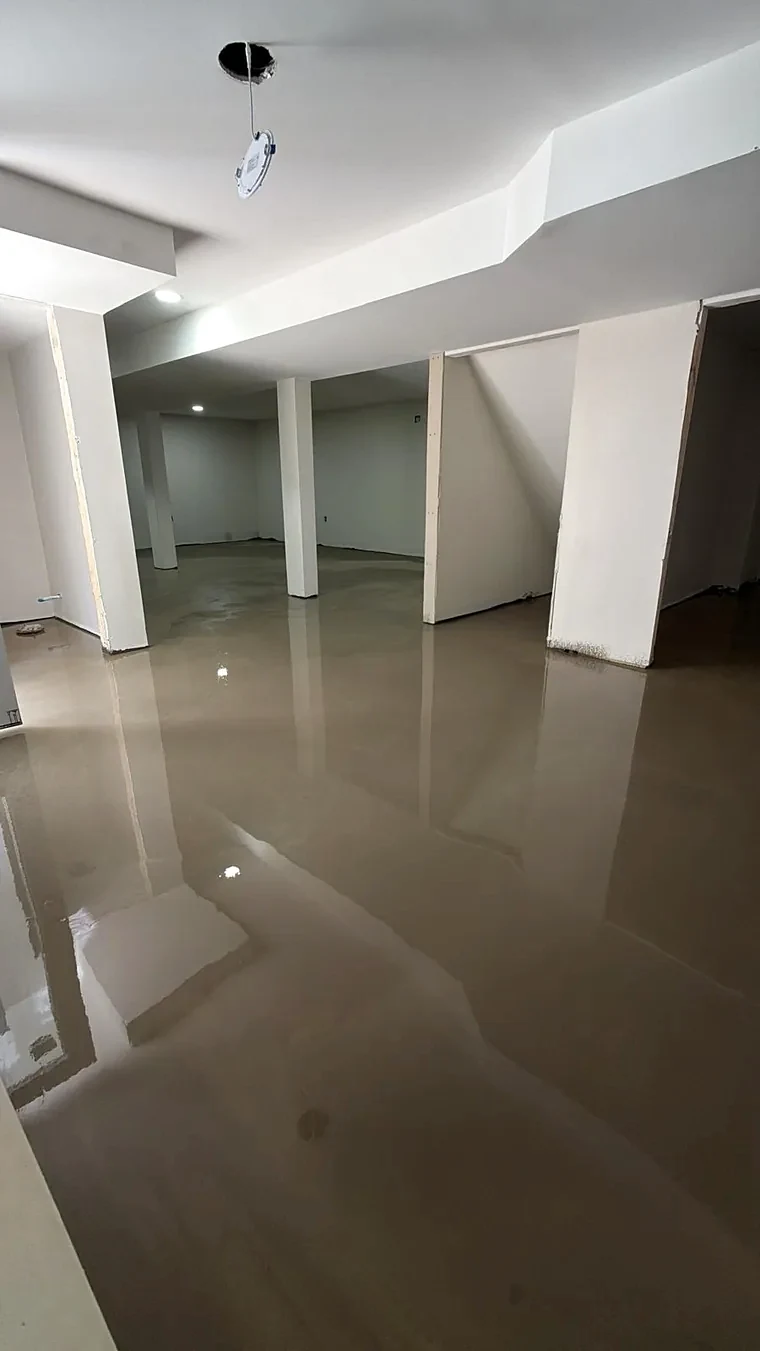
Self-leveling compound is a pourable mix that flows into dips and cures to a flat, hard surface, ideal over concrete or a sound but uneven wood subfloor. Mechanical leveling, sanding down high spots or shimming and adding a new layer, suits situations where a pour is not appropriate or the framing itself needs adjustment.
We assess the subfloor, measure how far out of flat it is, and choose the method, or combination, that gives a truly flat plane for your specific base rather than a quick skim that leaves the problem underneath.
Moisture is the most common cause of a floor failing from below, and it is invisible until the damage is done. Any wood or laminate floor installed over a damp subfloor or an untested slab is on borrowed time.
We moisture-test before installing, especially over concrete in Medford basements and additions, and use the right vapor barrier or mitigation when readings call for it. This is exactly the step that separates a floor that lasts from one that cups and buckles a year later.
If we find a moisture source, a leaking radiator, a damp slab, a bathroom that has been wicking water into the subfloor, we address the cause, not just the symptom, before any new floor goes down.
Squeaks and a bouncy, soft feel underfoot almost always come from the base: a subfloor panel moving against a joist, a loose fastener, or inadequate support in an older home.
The lasting fix is to secure the subfloor to the joists and reinforce any spots that flex, done before the finish floor goes on so it never has to be torn up later. Covering a squeak with a new floor just buries it, and it comes back.
In Medford's older homes we often reinforce and re-secure the base as part of the prep, so the new floor is not only flat but genuinely quiet and solid underfoot, the way a new floor should feel.
Homeowners are often surprised how strict flooring flatness tolerances are. Most manufacturers specify the subfloor be flat within a small fraction of an inch over a set distance, and installing outside that spec can void the product warranty and cause the floor to fail.
For floating floors like laminate and vinyl plank, flatness is everything, dips cause flex and hollow spots, high spots cause rocking and cracking at the joints. For nailed hardwood, an out-of-flat base leads to squeaks and uneven wear. The tolerance is tighter than most people expect and than most handymen check.
We measure the subfloor against the flatness the specific product requires, not by eye, and level it to that standard. It is invisible work, and it is the single biggest reason a floor either lasts or fails.
Medford homes have every kind of subfloor, and each needs a different approach. Knowing what you have is the first step to preparing it correctly.
Old homes often have diagonal wood-plank subfloors that have shifted and gapped over a century; these may need an added underlayment layer to create a smooth, continuous surface. Newer construction uses plywood or OSB, which is easier to work with but still needs to be flat, dry, and well-fastened. Basements and additions sit on concrete slabs, which demand moisture testing and often a leveling compound.
We identify your subfloor type, assess its condition, and prepare it the right way for that material, rather than applying a one-size approach that works on one kind of base and fails on another.
Sometimes a bouncy or sloping floor is not the subfloor at all, it is the framing underneath. In older Medford homes, joists can sag, twist, or sit on settled supports after a hundred years, and no amount of surface leveling fixes a structural issue.
When we find that the real problem is below the subfloor, we say so honestly rather than pouring leveling compound over a moving base. Depending on what we find, that may mean sistering a joist, adding support, or bringing in the right trade before flooring goes down.
This is exactly why the subfloor assessment matters: catching a structural issue before the finish floor goes on saves you from installing a beautiful floor over a base that will keep moving. We would rather flag it up front than have your floor telegraph the problem later.
Skipping or shortcutting subfloor prep is the most tempting way to save on a flooring job and the most expensive one over time. The savings are real on day one and vanish the first time the floor squeaks, gaps, or has to come up.
A floor installed over a poor base fails early, and fixing it means tearing up and reinstalling the finish floor you already paid for, plus finally doing the subfloor work that should have happened first. You pay for the prep either way; doing it up front means paying once.
We build the honest prep into the documented estimate so there are no surprises, and so the floor you invest in actually delivers the decades of service it should.
The subfloor and the underlayment work as a team, and once the base is flat and sound, the right underlayment finishes the job of preparing for the finish floor. It is easy to overlook and it matters for how the floor feels and sounds.
Underlayment cushions floating floors, dampens sound, smooths out the last minor imperfections, and, over concrete or below grade, carries the moisture barrier that protects the finish floor. The right choice depends on both the subfloor and the floor going on top, which is why we select it as part of the prep rather than grabbing a generic roll.
In multi-family Medford buildings, a good acoustic underlayment over a properly prepped subfloor also cuts the sound transfer between units, which is often written into the building's requirements and always appreciated by the neighbors below.
It is easy to spend all your attention on the visible floor, the species, the color, the pattern, and none on the subfloor, because no one ever sees it. Yet the base is what determines whether that beautiful floor stays beautiful or starts squeaking, gapping, and cupping within a year.
Every dollar and hour spent getting the subfloor flat, sound, and dry is invisible on the finished job and decisive on how it performs for the next twenty years. It is the least glamorous and most important part of any flooring project, and it is where cutting corners hurts most.
That is why we treat the subfloor as the foundation of the whole job in every Medford home, not a step to rush past. Get the base right and the floor on top simply works, quietly, flatly, for decades.
Because JPN is based right here in Medford, we're minutes from Medford Square, West Medford, Wellington, and the Hillside neighborhood by Tufts, so we get to your home fast and know the older solid-hardwood floors these houses are built on. We work throughout Medford Square, West Medford, Wellington, Hillside, South Medford, North Medford, and Edgeworth. Medford's housing runs heavily to older solid-hardwood homes: Colonial and Federal-era houses, Victorian and Queen Anne homes with ornate trim, Second Empire houses with mansard roofs near Medford Square, and three-family homes throughout Hillside and South Medford, so we know the floors under these homes and how to bring them back or build them new.
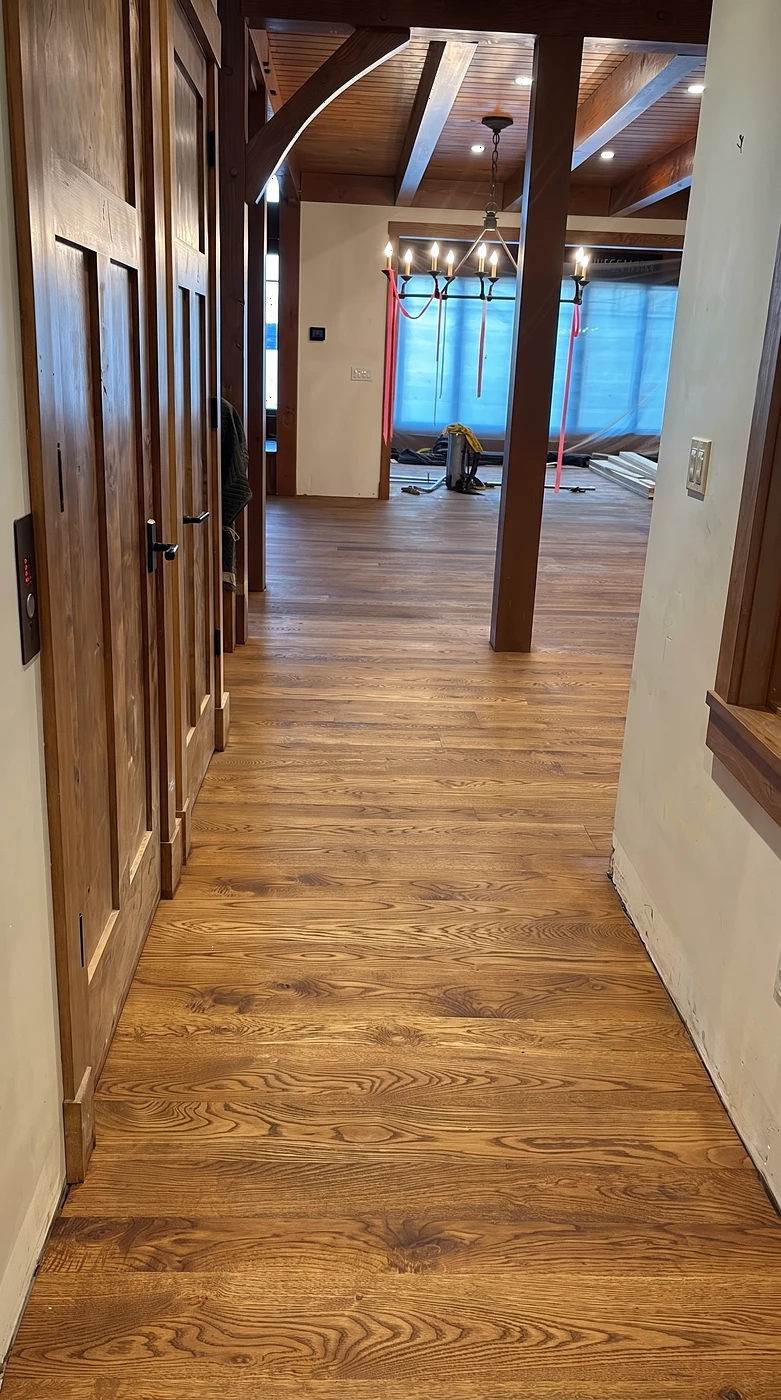
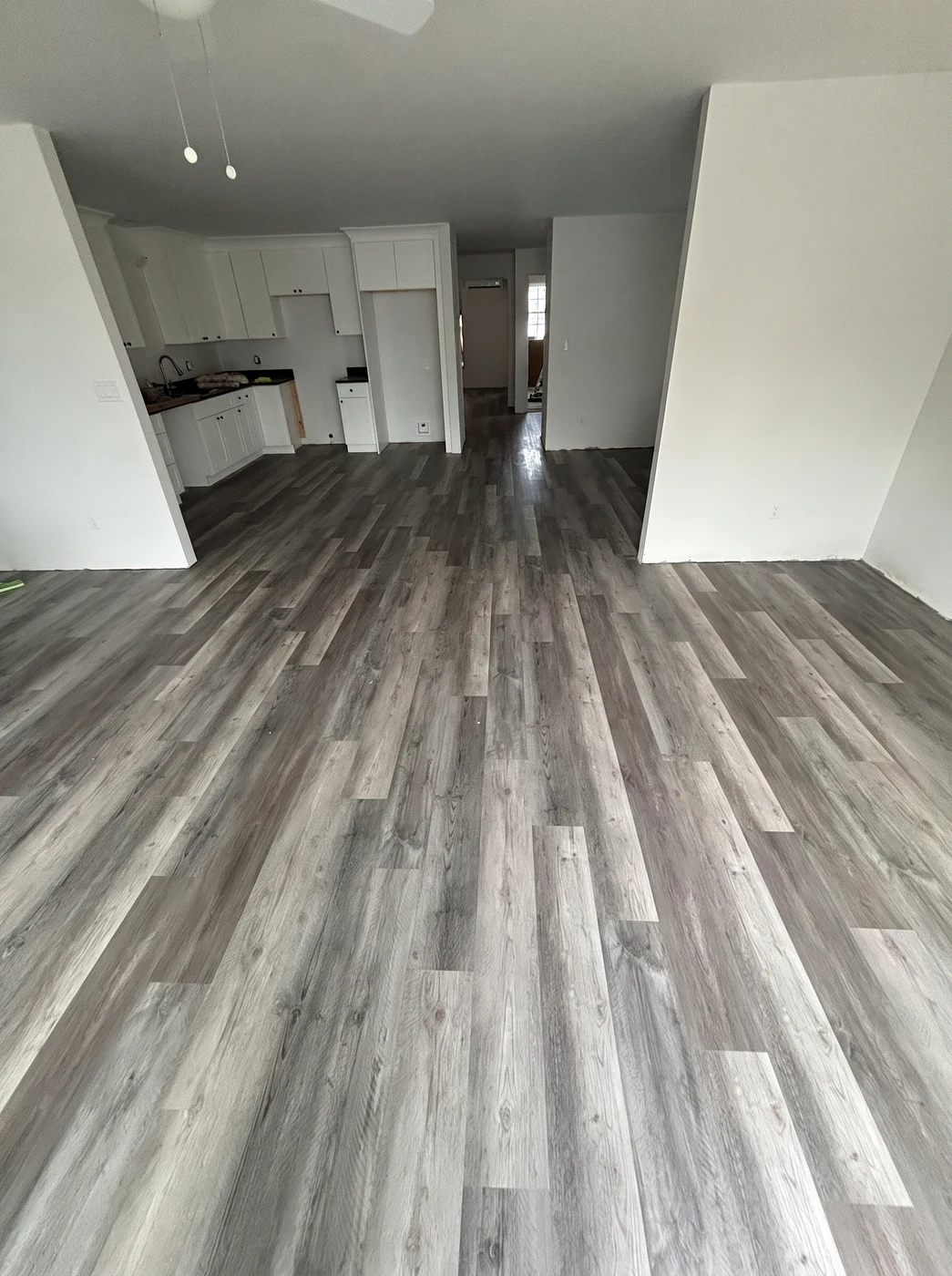
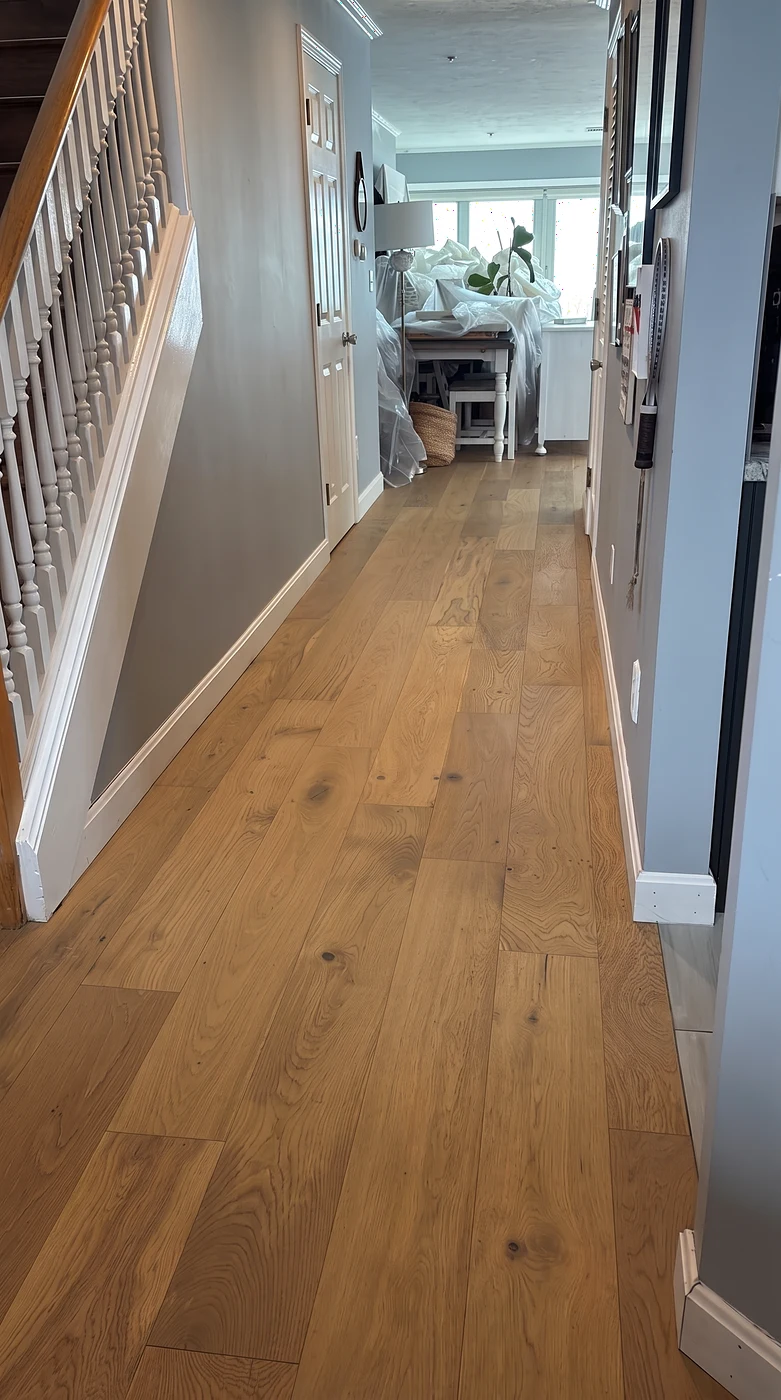
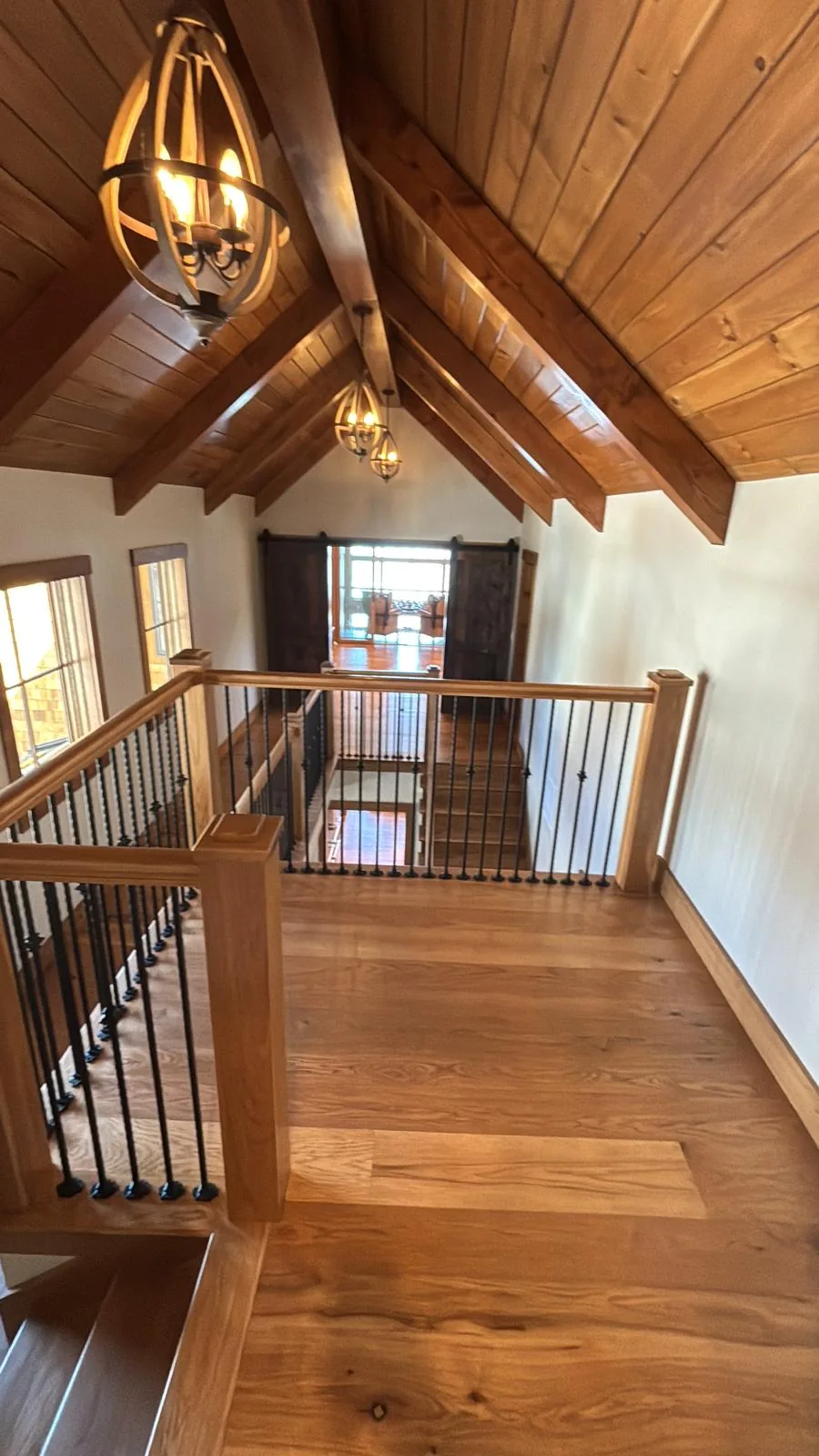
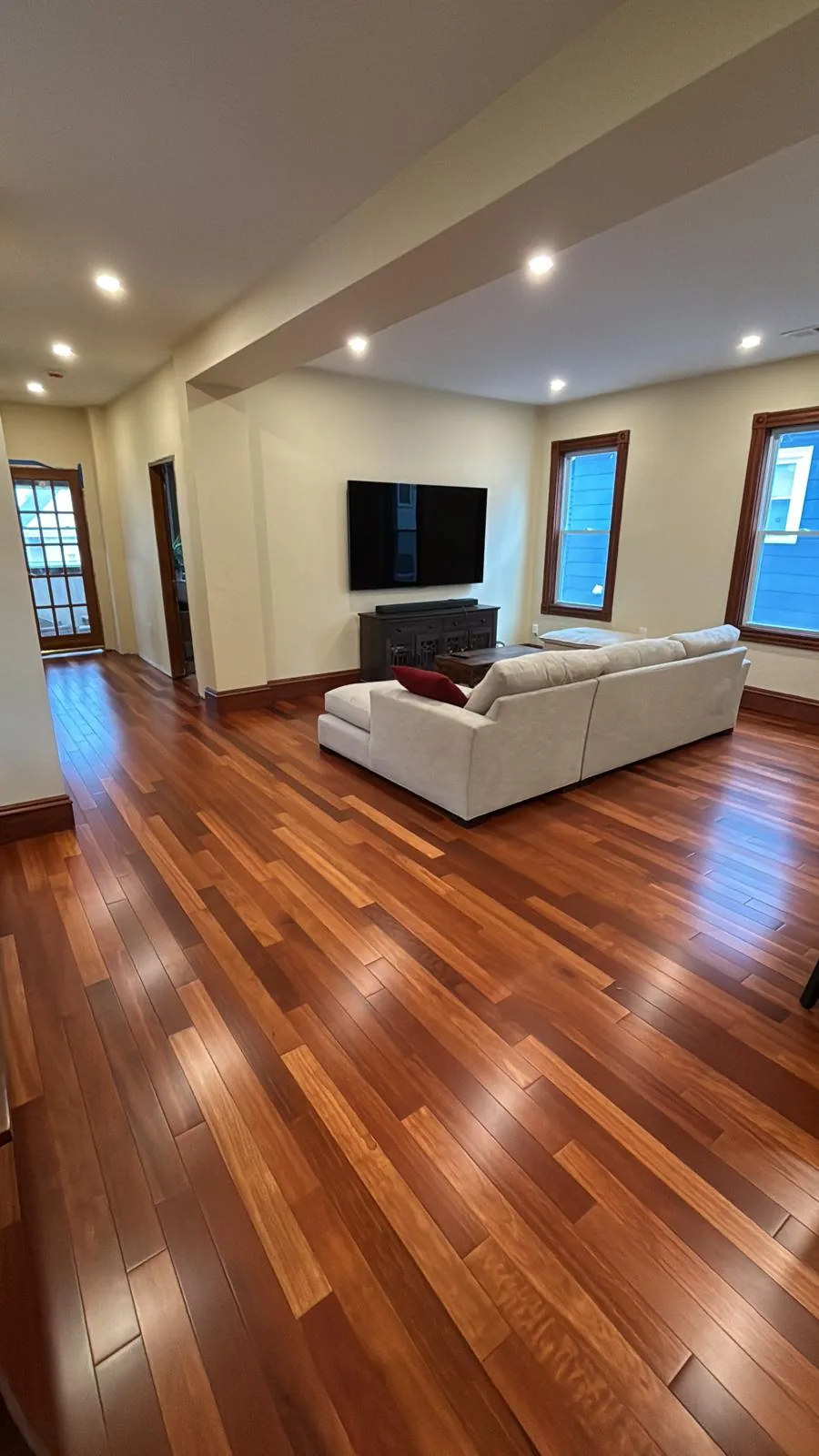
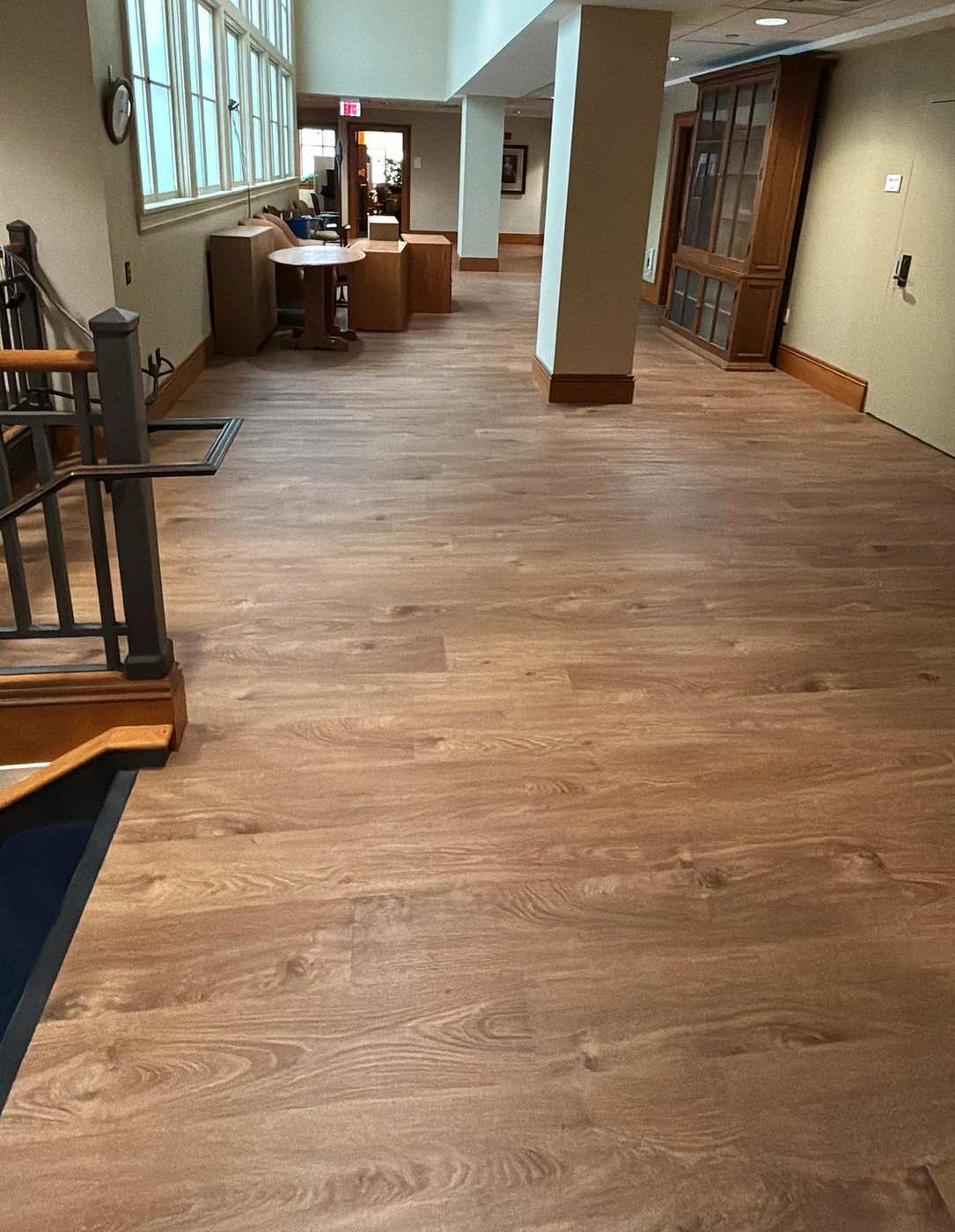
Real floors from JPN projects across Medford and Greater Boston, done right, on time, and dust-free.
Founded and run by Janderson Francisco, JPN is a full-service hardwood flooring company based in Medford. Every estimate is documented line by line, every job is dust-contained, and we film our work from bare wood to final coat so you see exactly what you paid for.
Get your free estimateReal homeowners and builders across Greater Boston, straight from our Google Business Profile.

I had an excellent experience with JPN Hardwood Floors! Their team was professional, punctual, and paid close attention to every detail. The quality of their work exceeded my expectations, and the floors turned out absolutely beautiful. They kept everything clean and completed the project on time. I highly recommend them to anyone looking for reliable, high-quality flooring services. Five stars!

We've been working with JPN Hardwood Floors for a long time, and they consistently do an excellent job. Their entire team is professional, reliable, and takes great pride in their work. The quality of their hardwood flooring work is always great, and they are great to work with. We highly recommend them to anyone looking for a trustworthy and skilled hardwood flooring company!

I'm impressed by the excellence of the work delivered. You can truly see the care and professionalism in every detail.

Amazing work! Professional, reliable and highly recommend!

Very attentive, has great prices, and the work is simply impeccable. Thank you very much!
A clean home when we're finished and the completion date we quoted, or we make it right. Licensed, fully insured, and serving Medford, MA within 100 miles.