Hardwood Floor Refinishing Marblehead MA
Old pine and oak floors in Marblehead, MA sanded, repaired, and refinished with care, dust-contained and priced line by line before we start.
Call (978) 754-8751 Get a Free EstimateOld pine and oak floors in Marblehead, MA sanded, repaired, and refinished with care, dust-contained and priced line by line before we start.
Call (978) 754-8751 Get a Free EstimateHardwood floor refinishing in Marblehead MA is usually about saving a floor, not covering it up. Many homes here still stand on the boards they were built with, some of them wide pine planks laid two centuries ago, and a careful refinish can bring that wood back without losing the character that makes an old Marblehead house worth owning. JPN drives up from our Medford base, looks at your floor in person, and tells you plainly what it needs.
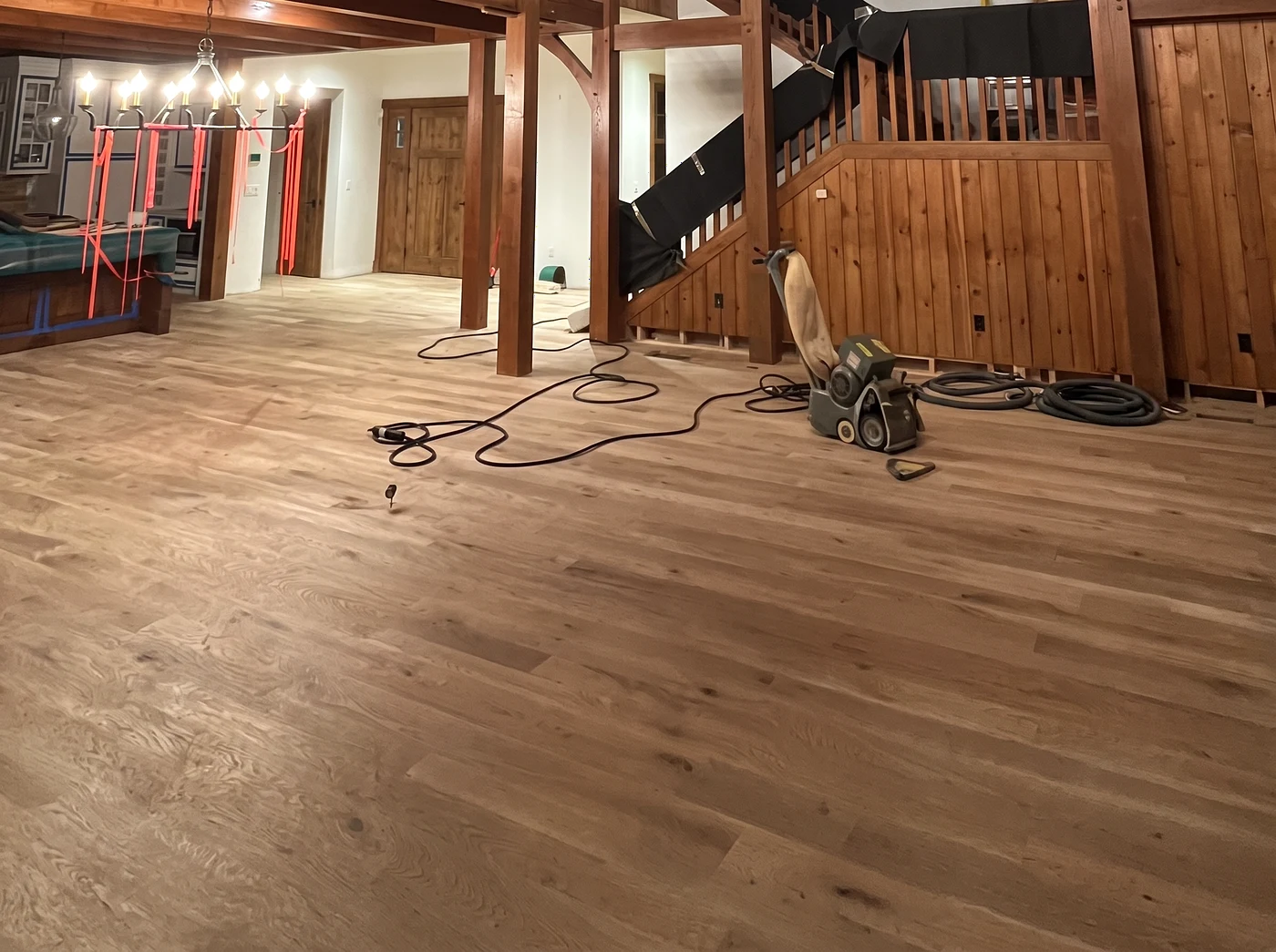
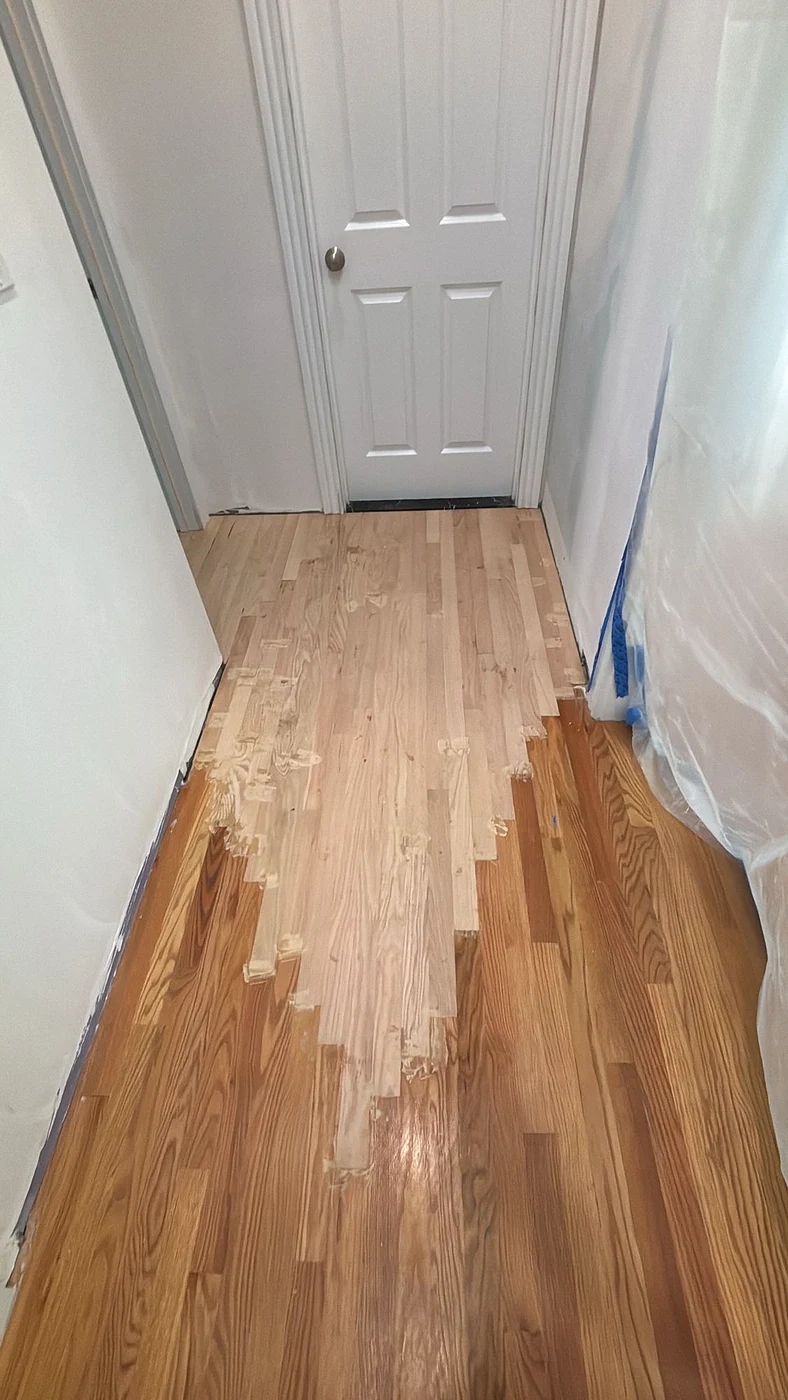
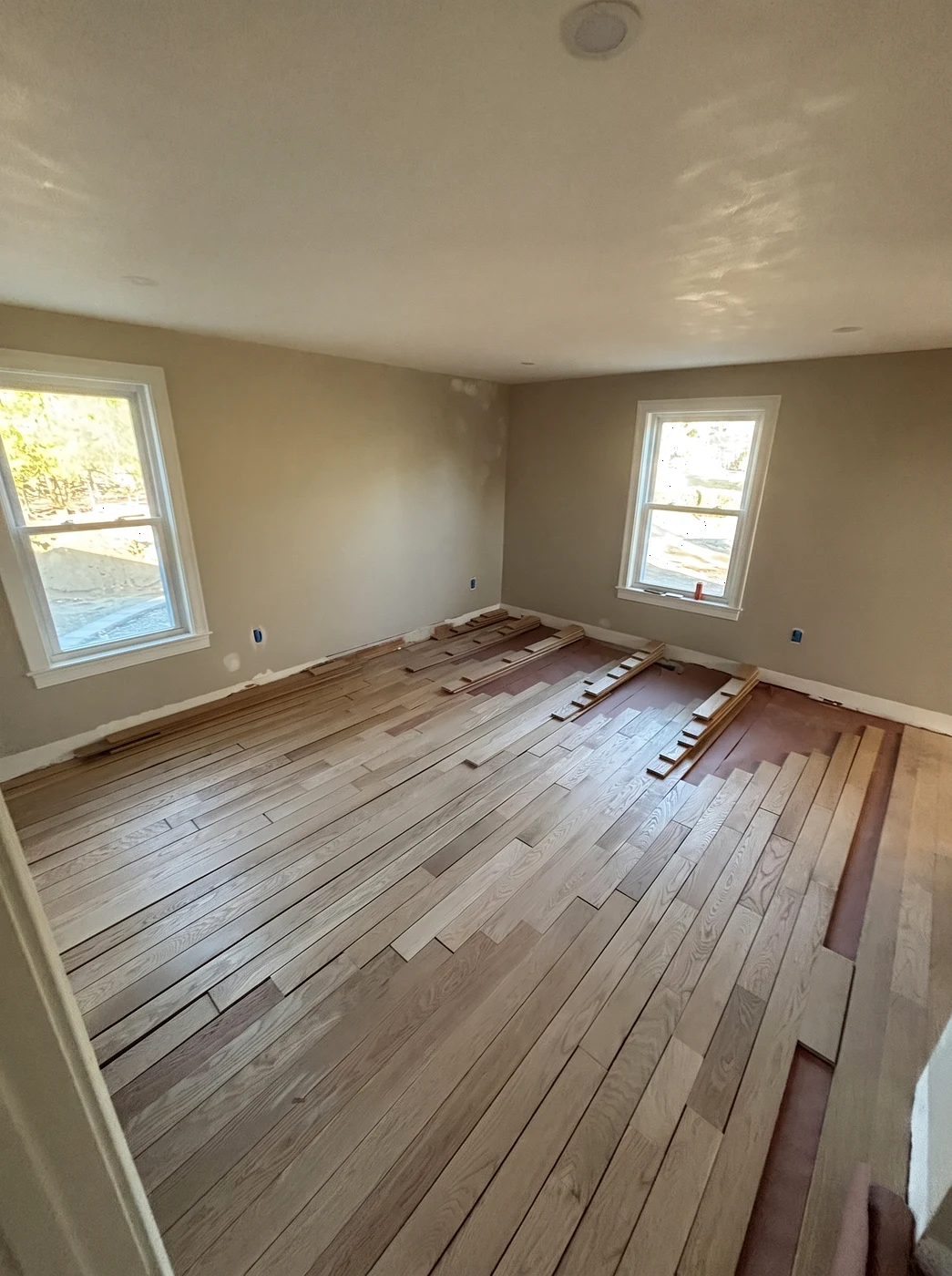
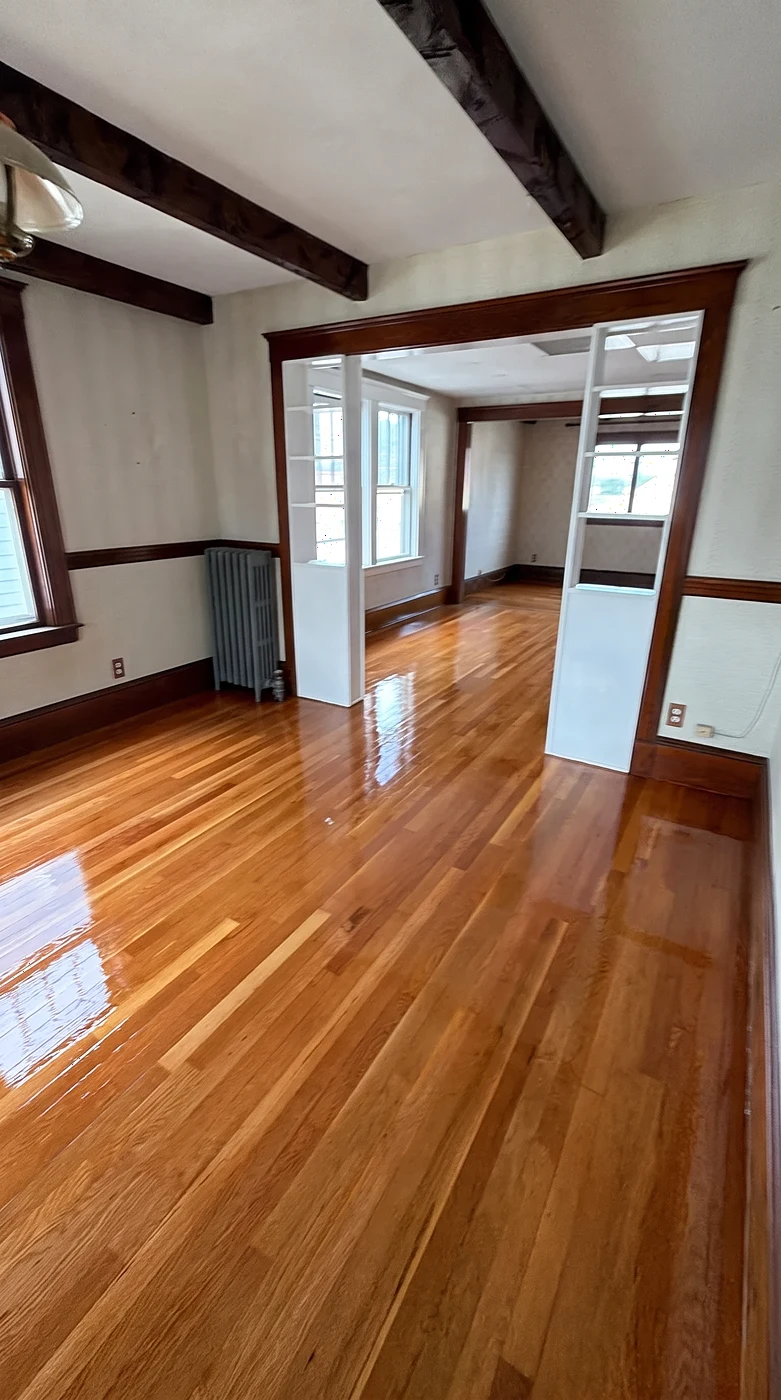
Real JPN work in Marblehead: a bedroom floor refinished to a fresh, even shine.
A modern oak floor can take an aggressive first pass with the sander. A pine floor in an Old Town house usually cannot. Pine is soft, the boards are often cupped or worn into shallow dips by generations of feet, and many are face-nailed with old cut nails that sit close to the surface. We set nails before sanding, choose the grit for the wood in front of us, and take only as much as the floor needs. The goal is a clean, even surface that still looks like an old floor, not a board that has been ground flat and thin.
Marblehead floors deal with something inland floors do not: salt air, damp summers, and a lot of moisture coming off the harbor and the open ocean. Wood takes that moisture in and gives it back out, so boards swell in the humid months and open gaps in the dry heated months. Beach sand tracked in on shoes acts like sandpaper on a finish. We plan refinishing around all of that, from when we schedule the work to how we fill gaps and which finish we recommend for your house.
Refinishing is priced by square footage, the condition of the wood, and the finish you pick. These are typical Greater Boston ranges to help you plan; your estimate is written for your floor after we see it.
| What affects the price | Typical range |
|---|---|
| Standard refinishing (sand + finish) | $3 to $5 per sq ft |
| Refinishing with a custom stain color | $4 to $7 per sq ft |
| Heavy repairs, water damage, or lots of patching | Added per the estimate |
| Stairs (priced separately, more hand work) | $40 to $75 per step |
Ranges are for planning only. Old wide-plank floors often need extra board and gap work, and we price that line by line up front, so the number you approve is the number you pay.
Coastal floors tend to show wear in a few predictable ways. Refinishing usually makes sense when you see:
Most single-floor jobs take two to four working days plus cure time, depending on size, repairs, and the finish. Damp weather can slow drying, and we build that into the schedule instead of rushing a coat.
Rooms being worked on are closed off until the finish cures. In many older Marblehead houses one floor can stay in use while we work on another, and we tell you which rooms are open each day.
With a water-based finish, many families stay at home through the job. With oil-based finish, the odor is stronger and some owners prefer to be away for a night or two. We go over this with you before we start.
Old coastal floors forgive less than new ones. Before you hire anyone, watch out for:
We work with builders, general contractors, and property managers who need a refinishing crew that shows up on the agreed date and leaves a clean site, including on renovations of older North Shore homes.
You get a documented scope, insured work, and video of the job, so you can hand the finished floor to your client or owner without surprises on the walkthrough.
Every JPN refinishing job is dust-contained, priced from a line-by-line estimate, and done on the schedule we agree on before we start.
We film the floor from bare wood to final coat so you can see the work, and we do not call it finished until you have walked it with us and you are happy with it.
Wide pine boards are part of what makes an old Marblehead house feel the way it does. Some boards are much wider than modern flooring, they vary in width across the room, and many show marks from the way they were cut and laid. Refinishing them well means keeping that character, not erasing it.
Pine is a softwood. It dents more easily than oak and it sands away faster, so we treat it differently from the first pass. We start with a less aggressive approach, set every nail that sits high, and check the floor as we go. On boards that have been sanded before, we look closely at how much wood is left before we decide how far to go.
Expect a refinished pine floor to look honest: some dents and old marks will remain, and that is normal for the wood. If you want a perfectly flat, spotless surface, we will tell you whether this floor can deliver that or whether a different plan makes more sense.
Wood is always trading moisture with the air around it. On the coast that trade is bigger, with humid, salty air for much of the warm season and dry heated air through the winter. Boards swell when they take on moisture and shrink when they lose it, so gaps open and close through the year.
That movement affects refinishing in a few ways. Finish takes longer to dry in damp air, so we allow more time between coats rather than stacking them too soon. Gaps are judged by the season: a gap that looks wide in February may nearly close by July, and filling it tight in the wrong month can lead to cracked filler or pressure between boards.
We check moisture in the floor before we start, and on homes close to the water or over a damp basement or crawl space, we talk with you about keeping indoor humidity steady after the job. A steadier house means a quieter, flatter floor and a finish that lasts longer.
The finish is the layer that takes the beating. In a coastal house that often means sand from the beach, wet shoes from the harbor, and dog paws in from the yard. The right finish depends on how you use the house as much as on the look you want.
Water-based finishes dry clear and fast and have a low odor, which helps when you want to stay in the home or get the rooms back quickly. They keep pine and oak closer to their natural color, which many owners like in bright rooms near the water.
Oil-based finishes cure slower and smell stronger while they do, but they give the wood a warm amber tone that suits many antique interiors, and they are tough. For entries and kitchens that see a lot of grit, we often suggest an extra coat, and simple habits help too: a good mat at every outside door and a quick sweep when sand comes in.
We explain the trade-offs, show you samples, and let you choose. Either way, we apply two or three coats and buff between them for an even, durable surface.
Oak takes stain fairly evenly. Pine does not. Soft and hard areas in a pine board soak up color at different rates, so a dark stain can turn blotchy and streaked on old pine if it goes on without care.
That is why we never pick a color from a sample card alone. We sand a section of your actual floor, apply the color you are considering, and look at it in daylight and evening light. On pine, we may suggest a lighter tone, a pre-stain treatment, or simply a clear finish that lets the natural color come through.
In houses with original painted or stained trim, the floor color should sit well with the woodwork around it. We help you choose a tone that fits the room instead of fighting the trim, doors, and stair parts that have been there for generations.
Not every worn floor needs to go back to bare wood. If the finish is dull and lightly scratched but the wood underneath is in good shape, a screen-and-recoat can bring back the shine. We lightly abrade the existing finish and add a fresh coat, which costs less and takes less time.
A full refinish is the better choice when scratches reach the wood, when there are dark water marks or stains, when the old finish is peeling, or when you want a new color. On old pine, a recoat can also be a smart way to protect a floor that does not have much wood left to sand.
We look at your floor and recommend the lighter option when it will really do the job. On a coastal house where sand wears the top coat, a recoat every few years can push the next full sanding a long way down the road.
Refinishing in a two-hundred-year-old house is different from working in a new one. Doorways are narrow, ceilings can be low, and floors are rarely level from one room to the next. Old thresholds, hearths, and built-ins all need careful edges and hand work where a large sander cannot reach.
We seal off the rooms we are working in, cover vents, and use dust-contained sanding so fine dust does not settle into old plaster, trim, and the rest of the house. We protect stair parts, doors, and anything original that sits near the work area.
If we find a problem once the old finish is off, such as a soft board, an old patch that has failed, or water damage near a door, we show it to you, explain the fix, and price it before doing anything extra.
JPN is based in Medford and run by Janderson Francisco. We travel to Marblehead and set your job on a fixed schedule, so the same crew comes back each day until the floor is done. When you call, you talk to the people who will actually work in your house.
Being full-service matters on old floors. If sanding uncovers a board that has to be replaced, a section that needs new wood woven in, or a subfloor problem, we handle it ourselves, and the job does not stop while you look for another contractor.
We are insured, every estimate is written line by line, and we film the job from start to finish. Owners of older Marblehead homes tend to want that kind of clear process before they let anyone touch an original floor, and that is exactly how we work.
Marblehead sits on the North Shore coast, and JPN travels up from our Medford base to Old Town, Marblehead Neck, and Clifton, then books your job on a set schedule. We know the wide-plank pine and oak floors in these older coastal houses and how salt air and damp seasons treat them. We work throughout Old Town, Marblehead Neck, and Clifton. Marblehead is one of the oldest towns on the North Shore, and its houses show it: Colonial and maritime-era homes from the 1700s and 1800s set close together in Old Town, many with wide-plank pine floors and steep, narrow staircases, plus later homes across Marblehead Neck and Clifton with oak floors, all living with salt air and coastal humidity, so we know the floors under these homes and how to bring them back or build them new.
Real floors from JPN projects across Medford and Greater Boston, done right, on time, and dust-free.
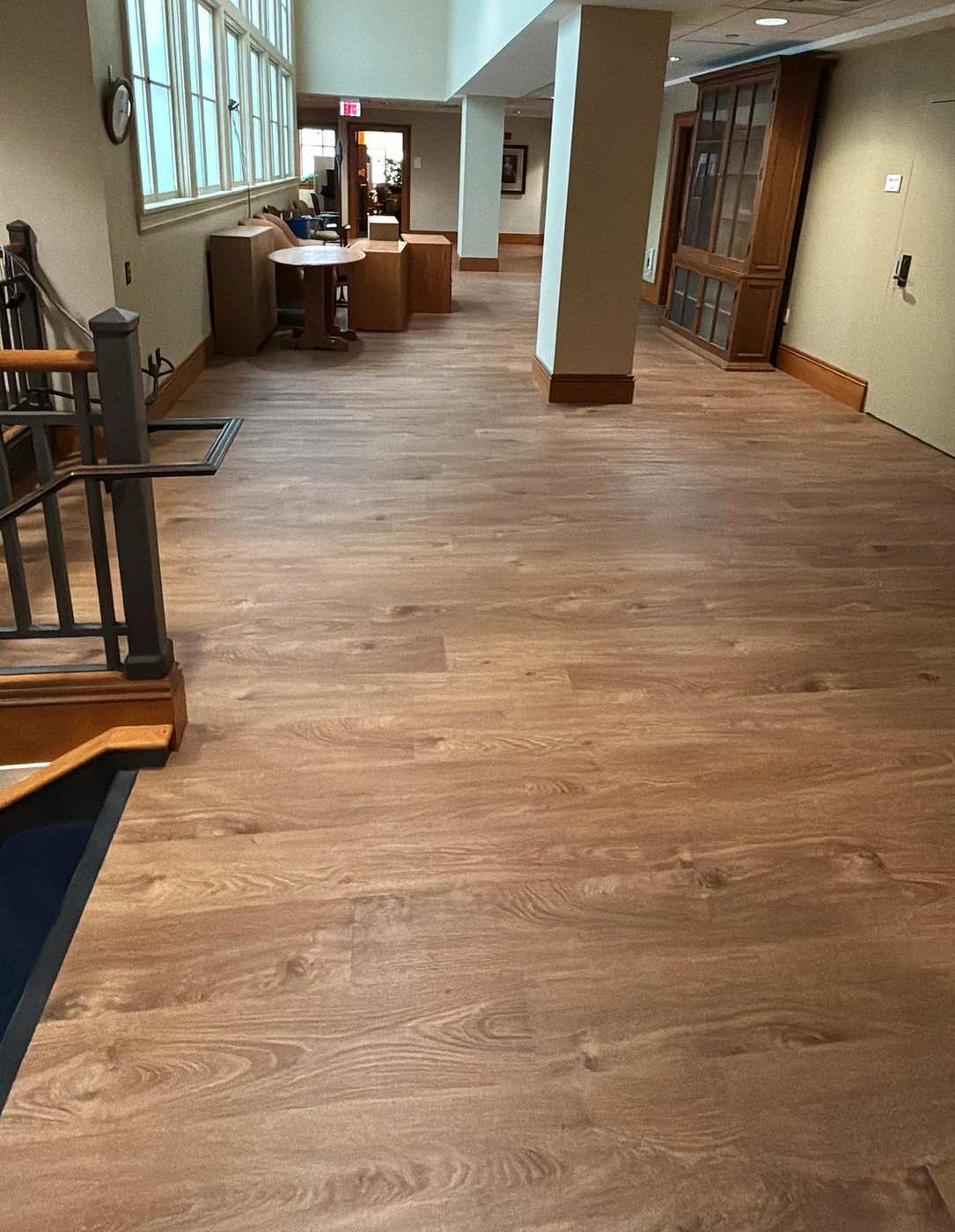
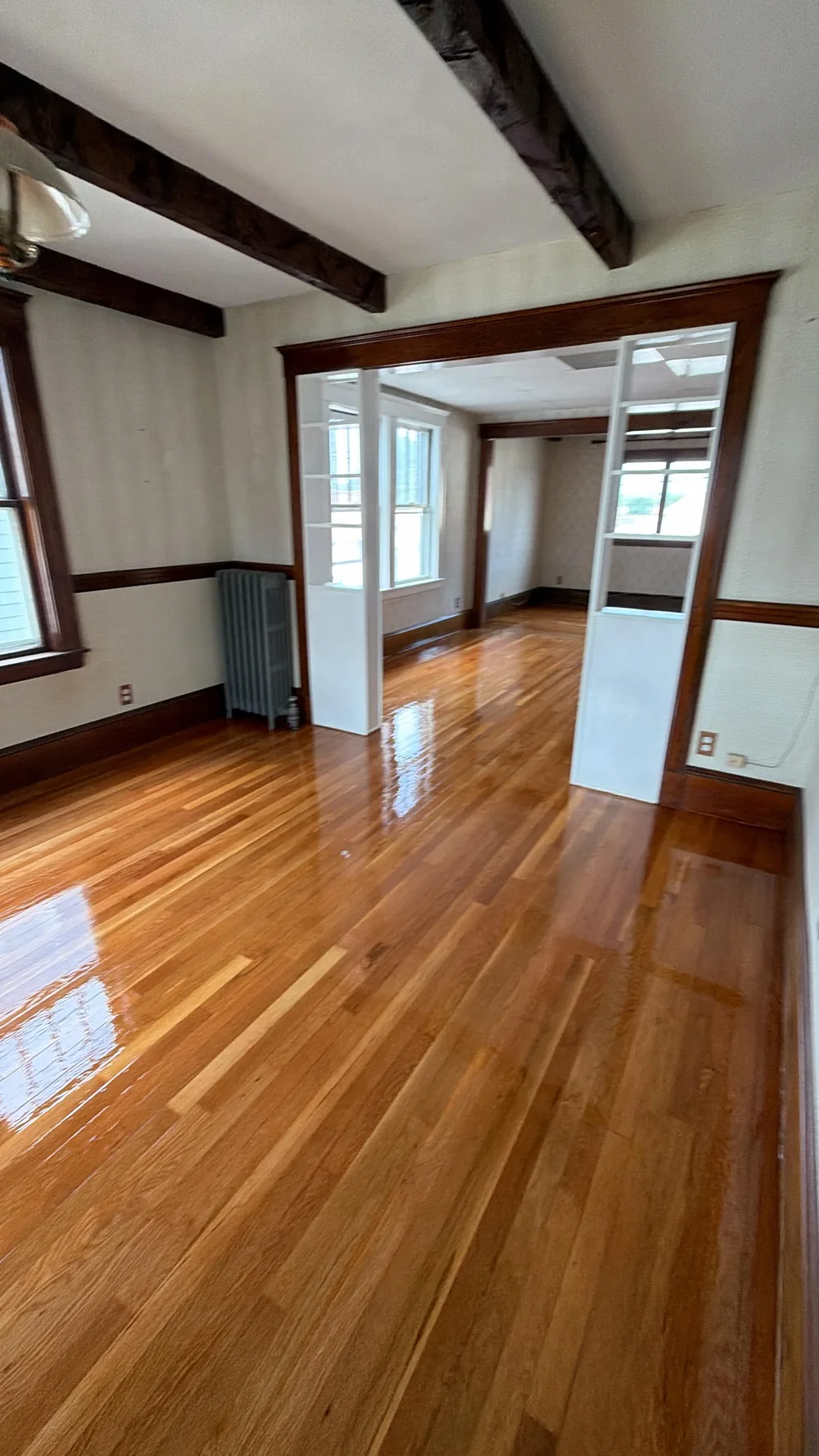
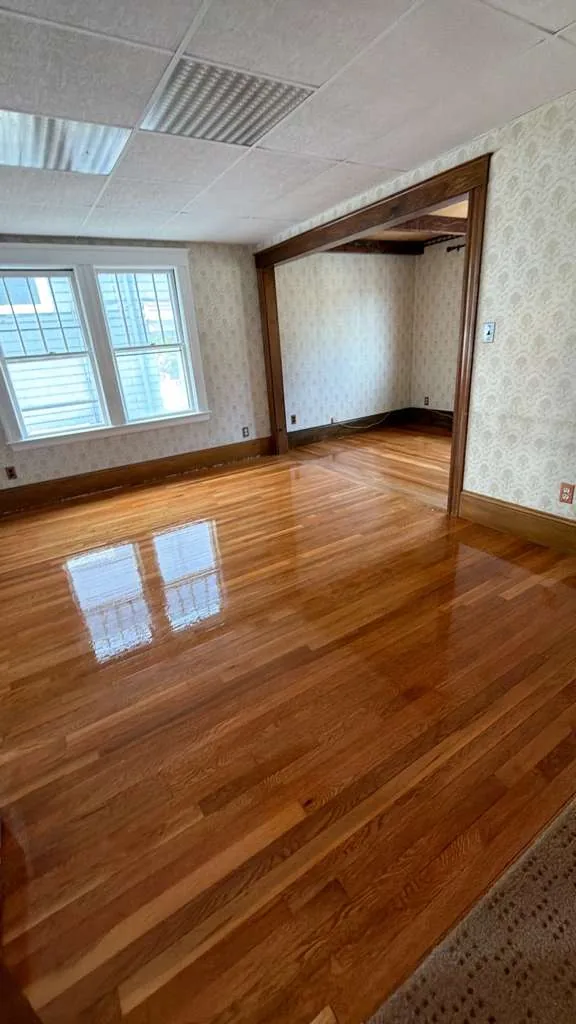
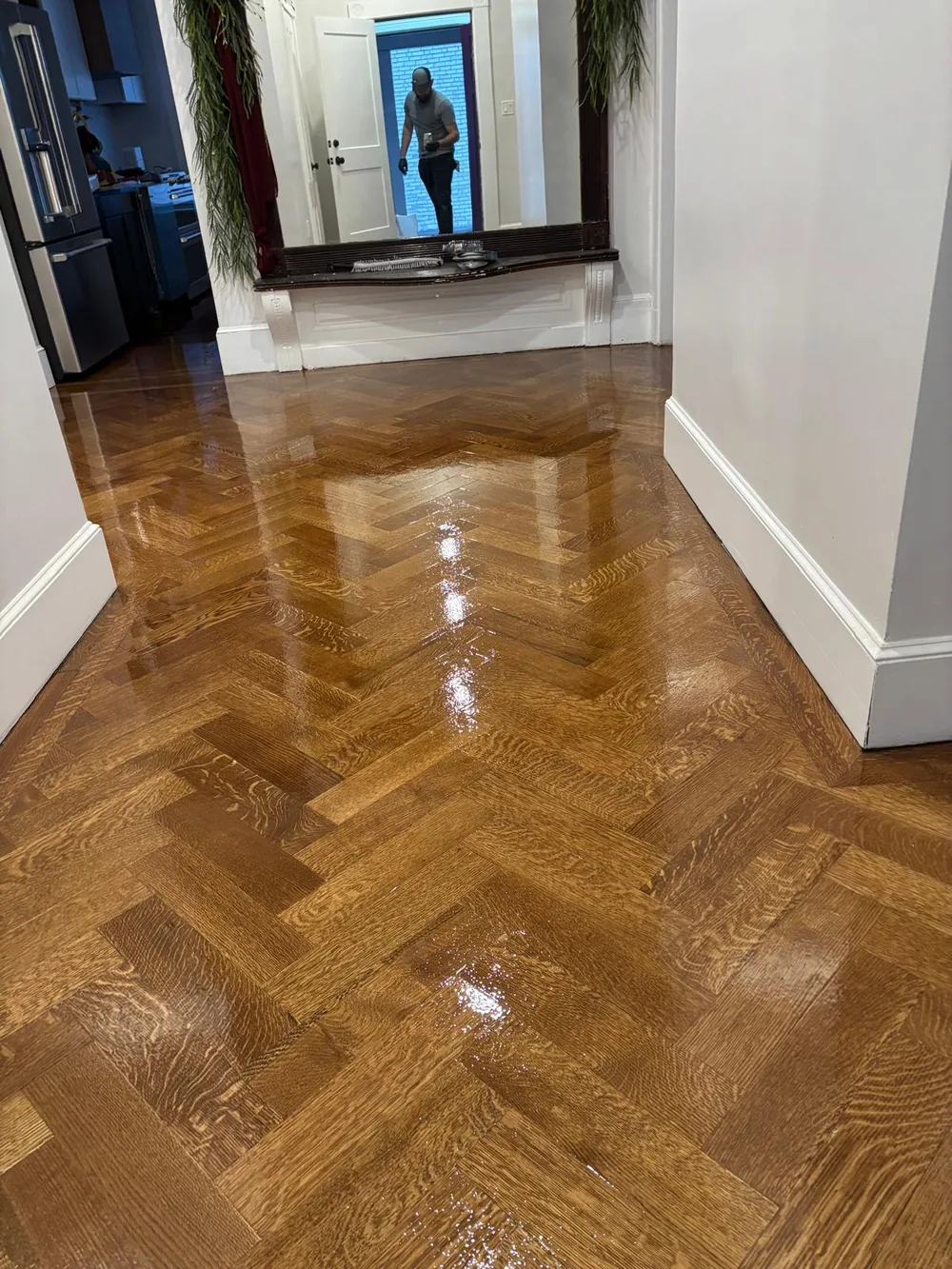
Founded and run by Janderson Francisco, JPN is a full-service hardwood flooring company based in Medford. Every estimate is documented line by line, every job is dust-contained, and we film our work from bare wood to final coat so you see exactly what you paid for.
Get your free estimateReal homeowners and builders across Greater Boston, straight from our Google Business Profile.

I had an excellent experience with JPN Hardwood Floors! Their team was professional, punctual, and paid close attention to every detail. The quality of their work exceeded my expectations, and the floors turned out absolutely beautiful. They kept everything clean and completed the project on time. I highly recommend them to anyone looking for reliable, high-quality flooring services. Five stars!

We've been working with JPN Hardwood Floors for a long time, and they consistently do an excellent job. Their entire team is professional, reliable, and takes great pride in their work. The quality of their hardwood flooring work is always great, and they are great to work with. We highly recommend them to anyone looking for a trustworthy and skilled hardwood flooring company!

I'm impressed by the excellence of the work delivered. You can truly see the care and professionalism in every detail.

Amazing work! Professional, reliable and highly recommend!

Very attentive, has great prices, and the work is simply impeccable. Thank you very much!
A clean home when we're finished and the completion date we quoted, or we make it right. Licensed, fully insured, and serving Medford, MA within 100 miles.